

What is the speed of A3 Laminating Machine?
Aug 11, 2025
Leave a message
What is the speed of A3 Laminating Machine?
As a supplier of A3 laminating machines, I often get asked about the speed of these essential pieces of equipment. Understanding the speed of an A3 laminating machine is crucial for businesses and individuals who rely on laminating for various purposes, such as document protection, presentation enhancement, and signage creation. In this blog post, I will delve into the factors that affect the speed of an A3 laminating machine, typical speed ranges, and how to choose the right speed for your specific needs.
Factors Affecting the Speed of A3 Laminating Machines
The speed of an A3 laminating machine is influenced by several key factors, each of which plays a significant role in determining how quickly you can laminate your documents.
- Heating System: The heating system is one of the most critical components of a laminating machine. A high - quality heating system can reach and maintain the optimal temperature more quickly, allowing for faster lamination. Machines with advanced heating elements, such as ceramic heaters, tend to heat up faster and provide more consistent heat, which in turn enables higher laminating speeds. For example, a machine with a powerful ceramic heater can reach the required temperature in just a few minutes, compared to a less efficient heater that may take 10 - 15 minutes.
- Roller Design and Quality: The rollers in an A3 laminating machine are responsible for pulling the document through the laminating process. Well - designed rollers with smooth surfaces and proper pressure distribution can laminate documents more efficiently. High - quality rollers are also less likely to cause jams or uneven lamination, which can slow down the process. For instance, rollers made from high - grade rubber or silicone can grip the document and laminating film firmly, ensuring a smooth and fast passage through the machine.
- Film Thickness: The thickness of the laminating film you use has a direct impact on the laminating speed. Thicker films generally require more heat and pressure to bond properly with the document, which can slow down the machine. For example, a 75 - micron film may laminate at a faster speed than a 125 - micron film because it requires less heat and time to adhere to the paper.
- Document Type and Size: Different types of documents, such as paper, cardstock, or photographs, have different laminating requirements. Heavier or thicker materials may need to be laminated at a slower speed to ensure a proper bond. Additionally, the size of the document can also affect the speed. Larger A3 - sized documents may take slightly longer to laminate compared to smaller ones, as the machine has to cover a larger surface area.
Typical Speed Ranges of A3 Laminating Machines
The speed of A3 laminating machines can vary widely depending on the model and its features. Generally, the speed is measured in inches per minute (IPM) or centimeters per minute (CPM).
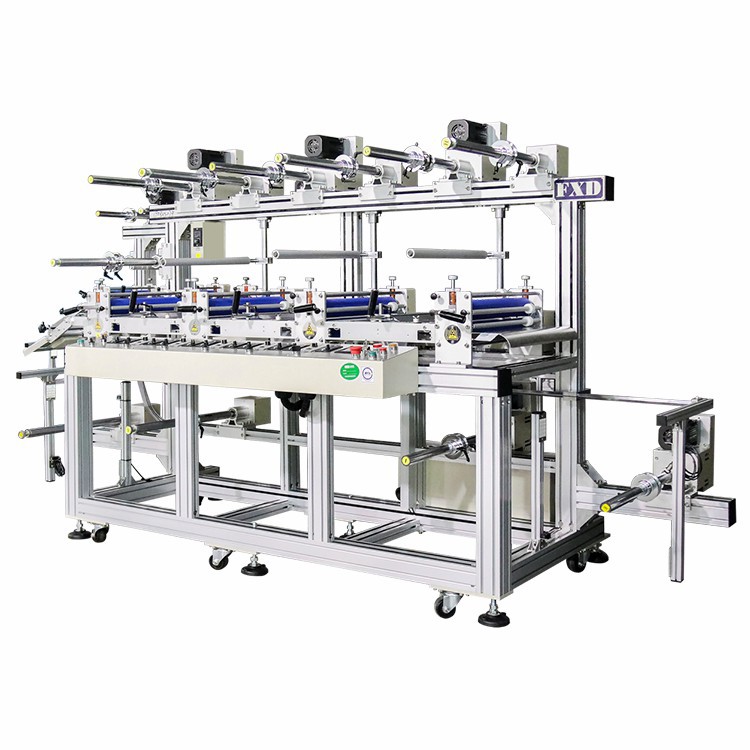

- Entry - Level Machines: Entry - level A3 laminating machines typically have a speed range of 10 - 20 IPM (25 - 50 CPM). These machines are suitable for home use or small offices with low - volume laminating needs. They are often more affordable but may take a bit longer to laminate each document. For example, if you need to laminate a few A3 - sized certificates, an entry - level machine can get the job done, but it may not be the best choice for high - volume production.
- Mid - Range Machines: Mid - range A3 laminating machines usually offer speeds between 20 - 30 IPM (50 - 75 CPM). These machines are a good balance between cost and performance. They are suitable for small to medium - sized businesses that need to laminate a moderate number of documents on a regular basis. For instance, a print shop that laminates brochures and flyers may find a mid - range machine to be a cost - effective solution.
- High - End Machines: High - end A3 laminating machines can achieve speeds of 30 IPM (75 CPM) or more. These machines are designed for high - volume production environments, such as large printing companies or commercial laminating services. They often come with advanced features like dual - roller systems and powerful heating elements to ensure fast and efficient laminating. For example, a large - scale advertising agency that laminates large - format posters and banners may require a high - end A3 laminating machine to meet its production demands.
Choosing the Right Speed for Your Needs
When selecting an A3 laminating machine, it's important to consider your specific laminating requirements to determine the appropriate speed.
- Volume of Laminating: If you only need to laminate a few documents occasionally, an entry - level machine with a slower speed may be sufficient. However, if you have a high volume of laminating work, such as laminating hundreds of A3 - sized documents per day, a high - end machine with a faster speed will save you time and increase productivity.
- Time Constraints: If you have tight deadlines for your laminating projects, a faster machine is essential. For example, if you need to laminate a set of presentation materials for an important meeting the next day, a machine with a high laminating speed can help you meet the deadline.
- Budget: Faster machines generally come with a higher price tag. You need to balance your need for speed with your budget. A mid - range machine may offer a good compromise between speed and cost, especially if you have a moderate laminating volume.
Comparison with Other Laminating Machine Sizes
It's also interesting to compare the speed of A3 laminating machines with other common laminating machine sizes, such as A2 Laminator and Laminator A4.
- A2 Laminator: A2 laminators are designed to handle larger documents than A3 laminators. Due to the larger size of the documents, A2 laminators may have slightly slower speeds compared to A3 laminators, especially when laminating at full capacity. However, they are still capable of high - volume production for larger - format materials.
- Laminator A4: A4 laminators are the smallest of the three and are suitable for laminating smaller documents. They generally have faster speeds than A3 laminators when laminating A4 - sized documents because they have less surface area to cover. However, if you try to laminate A3 - sized documents in an A4 laminator, it will not be possible, and you will need to cut the document into smaller pieces, which can be time - consuming.
Conclusion
In conclusion, the speed of an A3 laminating machine is determined by several factors, including the heating system, roller design, film thickness, and document type. Understanding these factors and the typical speed ranges of different machines can help you choose the right A3 laminating machine for your needs. Whether you are a home user, a small business owner, or a large - scale commercial printer, there is an A3 laminating machine with the appropriate speed to meet your requirements.
If you are interested in purchasing an A3 Laminating Machine, please feel free to contact us for more information and to discuss your specific needs. We are here to help you find the perfect laminating solution for your business.
References
- "Laminating Machine Technology and Applications" - Industry Report
- Manufacturer's manuals of various A3 laminating machines