

How does a large laminator compare to a pouch laminator?
Jun 12, 2025
Leave a message
Hey there! I'm a supplier of large laminators, and I often get asked about how a large laminator stacks up against a pouch laminator. So, I thought I'd break it down for you in this blog post.
Size and Capacity
First off, let's talk about size. A large laminator, like the ones I supply, is built for big jobs. These machines can handle large sheets of paper, posters, and even banners. They're designed to work in high - volume environments, such as print shops, schools, and offices that deal with a lot of large - scale materials.
On the other hand, pouch laminators are generally smaller and more compact. They're great for home use or small offices where you only need to laminate small items, like ID cards, business cards, or small photos. Pouch laminators usually have a limited width capacity, typically around 8.5 inches (the size of a standard letter - sized paper). If you try to laminate something larger than their capacity, it just won't work.
For example, if you're running a school and need to laminate large classroom posters, a large laminator is the way to go. You can easily feed in an A3 Laminator sized poster and get it laminated quickly. With a pouch laminator, you'd either have to cut the poster into smaller pieces or forget about laminating it altogether.
Lamination Quality
When it comes to lamination quality, large laminators often have the upper hand. They use a continuous roll of laminate film, which allows for a more consistent and smooth lamination. The heat and pressure are evenly distributed across the surface of the material being laminated, resulting in a professional - looking finish.
Pouch laminators, however, use pre - cut laminate pouches. While they can provide decent lamination for small items, there's a risk of air bubbles getting trapped inside the pouch, especially if you're not careful when inserting the item. Also, the edges of the pouch can sometimes look a bit rough, which isn't ideal for a high - quality finish.
In a commercial setting, where the appearance of the laminated product is crucial, a large laminator can make a big difference. For instance, if you're laminating marketing materials for a client, a large laminator will ensure that the colors are vibrant, the surface is smooth, and there are no visible imperfections. You can check out our Oca Lamination Machine for a top - notch lamination experience.
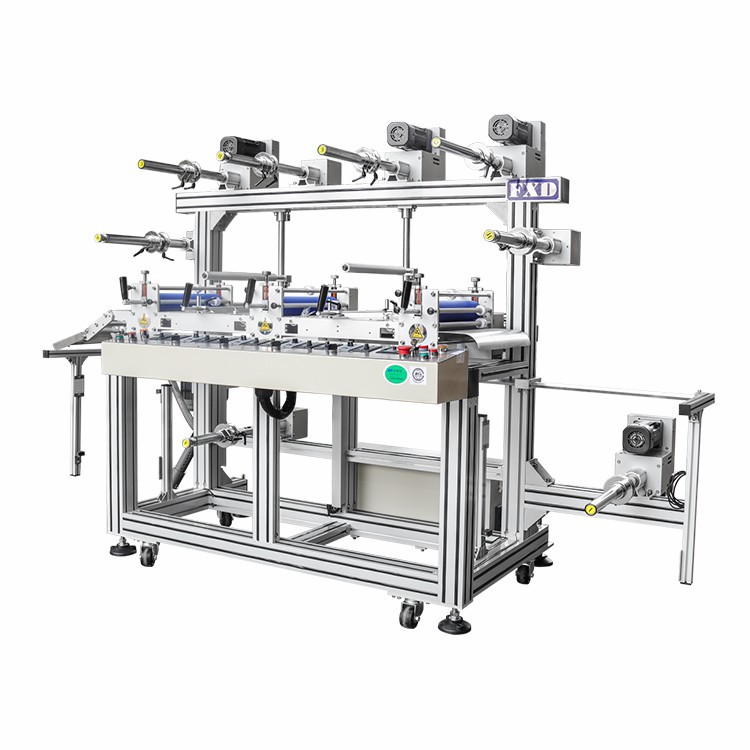

Speed and Efficiency
Large laminators are built for speed. They can laminate multiple sheets in a short amount of time, making them perfect for high - volume jobs. Some large laminators can laminate at speeds of up to several feet per minute, which is a huge advantage when you have a long list of items to laminate.
Pouch laminators, on the other hand, are relatively slow. You have to insert each item into a separate pouch, and then wait for the machine to heat up and laminate it. This process can be time - consuming, especially if you have a lot of items to laminate.
Let's say you're a print shop and you need to laminate 100 large posters for an event. A large laminator can get the job done in a matter of hours, while a pouch laminator could take days. With our A3 Laminating Machine, you can significantly increase your productivity and meet tight deadlines.
Cost
Cost is always a factor when choosing a laminator. Large laminators are generally more expensive to purchase than pouch laminators. They require more advanced technology, larger components, and more powerful motors to handle the large - scale lamination. However, when you consider the long - term benefits, the cost can be justified.
Large laminators are more durable and can handle a higher volume of work, which means they'll last longer and save you money in the long run. Also, the quality of the lamination can lead to better - looking products, which can potentially increase your revenue.
Pouch laminators are cheaper upfront, but the cost of the pre - cut laminate pouches can add up over time. If you're doing a lot of lamination, the cost of the pouches can become quite significant.
Maintenance
Maintenance is another aspect to consider. Large laminators need regular maintenance to keep them running smoothly. This includes cleaning the rollers, checking the heating elements, and replacing the laminate film rolls. However, most large laminators come with detailed maintenance instructions, and many suppliers, like me, offer support and service to help you with the maintenance.
Pouch laminators are generally easier to maintain. They don't have as many moving parts, and you don't have to deal with large rolls of laminate film. However, if the heating element fails or the rollers get damaged, it can be difficult and expensive to repair.
Versatility
Large laminators are more versatile in terms of the types of materials they can laminate. They can handle not only paper but also fabric, vinyl, and other thin materials. This makes them a great choice for a wide range of applications, such as laminating custom - printed fabrics for home decor or vinyl banners for outdoor advertising.
Pouch laminators are more limited in their versatility. They're mainly designed for paper - based materials and may not work well with other types of materials.
Conclusion
So, to sum it up, a large laminator is a better choice for high - volume, large - scale lamination jobs. It offers better quality, speed, and versatility compared to a pouch laminator. While it may be more expensive upfront, the long - term benefits make it a worthwhile investment.
If you're in the market for a large laminator, I'd be happy to help you find the right one for your needs. Whether you're a print shop owner, a school administrator, or just someone who needs to laminate large items regularly, I can provide you with the best options and the support you need. Feel free to reach out for more information and to start a procurement discussion.
References
- Industry reports on laminator technology
- Personal experience as a large laminator supplier
- Customer feedback and case studies