

Can I use a laminator on wet materials?
Dec 24, 2025
Leave a message
Hey there! As a laminator supplier, I often get asked all sorts of questions about laminators. One question that pops up quite a bit is, "Can I use a laminator on wet materials?" Let's dig into this topic and see what's what.
First off, let's understand how a laminator works. Most laminators use heat to seal a plastic film around the material you're laminating. The heat melts the adhesive on the film, which then bonds to the paper or other item you're protecting. This process is great for creating a durable, long - lasting finish.
Now, when it comes to wet materials, things get a bit tricky. The main problem is that water doesn't play well with the heat - based lamination process. When you try to laminate a wet material, the water turns into steam as it's heated. This steam can cause all sorts of issues.
One of the most obvious problems is bubbling. The steam gets trapped between the plastic film and the material, creating unsightly bubbles. These bubbles not only make the lamination look bad but can also weaken the bond between the film and the material. Over time, the bubbles can cause the lamination to peel off, defeating the whole purpose of laminating in the first place.
Another issue is that the moisture can damage the laminator itself. The excess water can get into the internal components of the laminator, leading to corrosion and other mechanical problems. This can shorten the lifespan of your laminator and might even leave you with a costly repair bill.
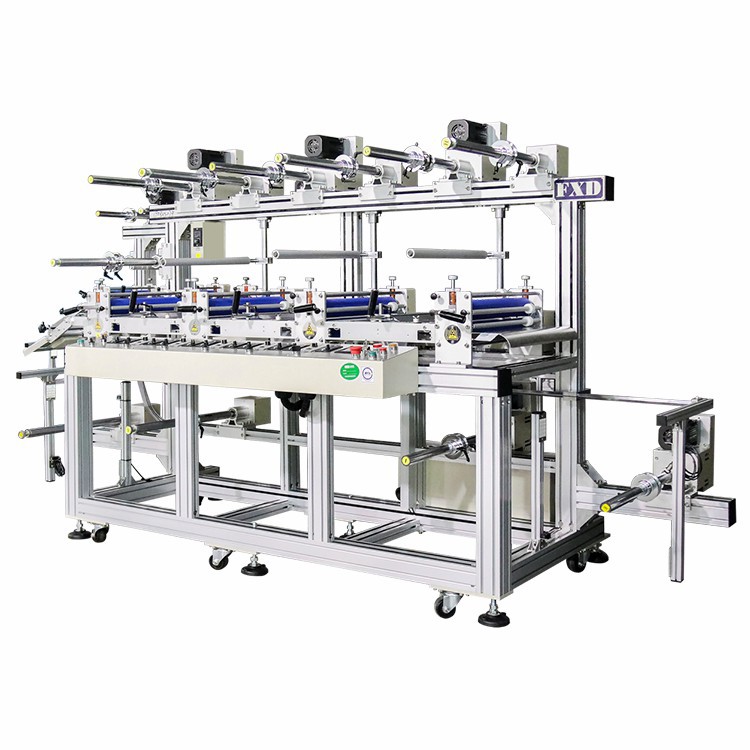

But what if the material is just a little damp? Well, even a small amount of moisture can cause problems. The steam created from that tiny bit of dampness can still lead to bubbling and other issues. It's always better to err on the side of caution and make sure your materials are completely dry before putting them through the laminator.
So, is there any situation where you can laminate a wet material? In most cases, the answer is no. However, there are some special laminators designed for specific applications that might be able to handle slightly damp materials. For example, the Oca Lamination Machine is used in some industrial processes where it might deal with materials that have a controlled amount of moisture. But these are very specialized machines, and they still have their limits.
If you accidentally end up with a wet material that you need to laminate, the best thing to do is let it dry completely. You can use a hair dryer on a low - heat setting or simply leave it out to air - dry. Depending on how wet it is, this might take a few hours or even a day.
Now, let's talk about the different types of laminators we offer as a supplier. We have a great range of laminators, from small, home - use models to large, industrial - grade ones. If you're looking for a laminator for general office use, our Laminator A4 is a fantastic choice. It's easy to use and can handle a variety of papers and materials.
For those who need to laminate larger items, like posters or blueprints, our A2 Laminator is the way to go. It has a wide feed opening and can provide a professional - looking finish on larger materials.
In conclusion, using a laminator on wet materials is generally a bad idea. It can lead to poor lamination results and damage to your laminator. Always make sure your materials are dry before laminating.
If you're in the market for a new laminator or have any other questions about our products, don't hesitate to reach out. We're here to help you find the perfect laminator for your needs, whether it's for home, office, or industrial use. Start a conversation with us to discuss your requirements and get the best laminator solution!
References
- "The Basics of Lamination Technology" by Laminating Industry Association
- "Laminator Maintenance and Care Guide" available from industry publications