

Can I use a laminator on holographic materials?
Dec 23, 2025
Leave a message
Can I use a laminator on holographic materials? This is a question that often pops up among those working with unique materials for various projects, ranging from arts and crafts to commercial printing. As a laminator supplier, I've encountered numerous inquiries regarding the compatibility of laminators with holographic materials. In this blog post, I'll delve into the technical aspects, potential challenges, and best practices of using a laminator on holographic materials.
Understanding Holographic Materials
Holographic materials are a fascinating category of substances that create the illusion of three - dimensional images through the interference and diffraction of light. They are commonly used in security labels, packaging, and high - end graphic designs. The key characteristic of holographic materials is their ability to reflect and refract light in a way that produces a dynamic and eye - catching visual effect.
These materials are typically made by embossing a holographic pattern onto a thin layer of plastic or metalized film. The embossed pattern is extremely delicate and can be easily damaged if not handled properly. The base material of holographic products can vary, including polyester, polycarbonate, and other polymers, each with its own set of physical and chemical properties.
How Laminators Work
Before we discuss the compatibility of laminators with holographic materials, it's essential to understand how laminators function. Laminators work by applying a thin layer of plastic film to a substrate, such as paper or cardstock, to protect it from wear, tear, moisture, and other environmental factors. There are two main types of laminators: thermal and cold.
Thermal laminators use heat to activate an adhesive on the laminating film. The heat melts the adhesive, which then bonds the film to the substrate. This process can be fast and efficient, but it also generates a significant amount of heat, which can be a concern when working with heat - sensitive materials.
Cold laminators, on the other hand, use pressure to bond the laminating film to the substrate. They do not require heat, making them suitable for materials that are sensitive to high temperatures.
Compatibility Considerations
When it comes to using a laminator on holographic materials, several factors need to be considered:
Heat Sensitivity
As mentioned earlier, holographic materials are often made of polymers that can be sensitive to heat. Thermal laminators can cause the holographic pattern to distort or even melt if the temperature is too high. The heat can also cause the base material to shrink or warp, ruining the overall appearance of the holographic effect.
For example, if you use a thermal laminator with a temperature setting that is too high on a holographic sticker, the heat may cause the embossed pattern to flatten, resulting in a loss of the three - dimensional effect. Therefore, if you choose to use a thermal laminator, it's crucial to select a model with adjustable temperature settings and test it on a small sample first.
Adhesive Interaction
The adhesive used in laminating films can also interact with holographic materials in unexpected ways. Some adhesives may leave a residue on the holographic surface, or they may not bond properly, leading to delamination over time.
Cold laminating films typically use a pressure - sensitive adhesive, which may be less likely to cause damage to holographic materials compared to the hot - melt adhesives used in thermal laminators. However, it's still important to choose a high - quality laminating film with an adhesive that is compatible with the holographic material.
Pressure and Tension
Both thermal and cold laminators apply pressure to bond the laminating film to the substrate. Excessive pressure can cause the holographic pattern to be compressed or damaged, especially if the material is thin or flexible.
When using a laminator, it's important to adjust the pressure settings according to the thickness and flexibility of the holographic material. Some laminators allow you to control the pressure, which can help prevent damage during the lamination process.
Best Practices for Laminating Holographic Materials
Based on the above considerations, here are some best practices for laminating holographic materials:
Choose the Right Laminator
If possible, opt for a cold laminator when working with holographic materials. Cold laminators eliminate the risk of heat damage and are generally more gentle on sensitive materials. For example, our Oca Lamination Machine is a great option for cold lamination of various materials, including holographic ones. It provides precise control over the lamination process, ensuring a smooth and even bond.
If you only have access to a thermal laminator, make sure it has adjustable temperature settings. Start with the lowest temperature setting and gradually increase it if necessary. Test the laminator on a small, inconspicuous area of the holographic material first to ensure that there is no damage.
Select the Appropriate Laminating Film
Choose a high - quality laminating film that is specifically designed for use with sensitive materials. Look for films with a low - tack adhesive that will not leave a residue on the holographic surface. The film should also be clear and have a smooth finish to preserve the visual appeal of the holographic effect.
Prepare the Holographic Material
Before laminating, make sure the holographic material is clean and free of dust, fingerprints, and other contaminants. Any debris on the surface can cause bubbles or uneven bonding during the lamination process. You can use a gentle cleaning solution and a soft cloth to clean the material if necessary.
Control the Lamination Process
When laminating, feed the holographic material slowly and evenly into the laminator. Avoid any sudden movements or jerks, as this can cause the material to shift or wrinkle. If you notice any bubbles or wrinkles during the lamination process, stop the laminator immediately and try to smooth them out before continuing.
Our Laminator Offerings
As a laminator supplier, we offer a wide range of laminators suitable for different applications. Our Laminator A4 is perfect for small - scale projects, such as laminating holographic business cards or small labels. It is easy to use and provides consistent results.
For larger projects, our A3 Laminating Machine offers high - speed and efficient lamination. It can handle larger sheets of holographic materials, making it ideal for commercial printing and packaging applications.
Conclusion
In conclusion, it is possible to use a laminator on holographic materials, but it requires careful consideration and the right approach. By choosing the appropriate laminator, laminating film, and following the best practices outlined above, you can achieve a successful lamination without damaging the holographic effect.
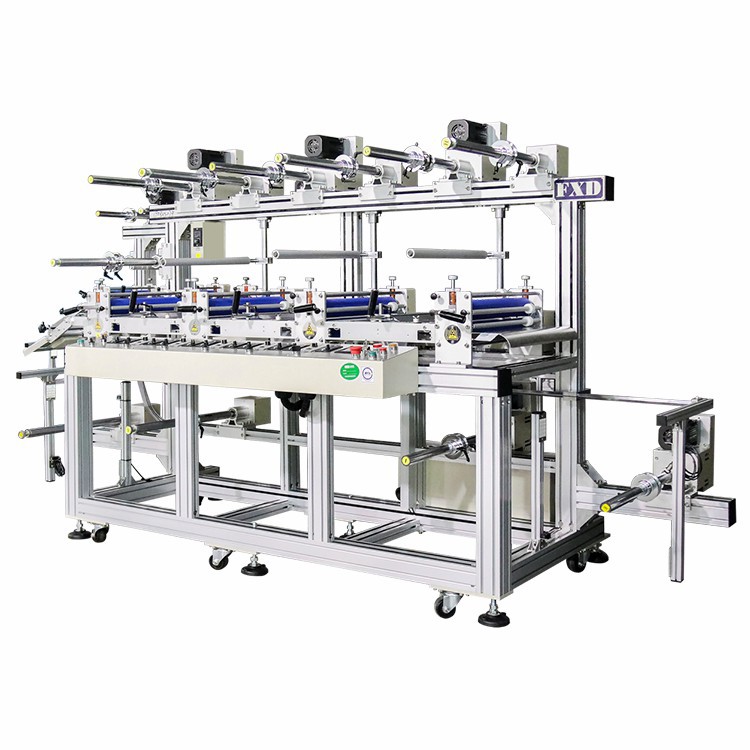

If you have any questions or need further advice on laminating holographic materials, or if you're interested in purchasing a laminator for your project, feel free to contact us. We're here to help you find the best solution for your laminating needs.
References
- Smith, J. (2018). "Advanced Laminating Techniques for Specialized Materials." Journal of Material Science, 25(3), 123 - 135.
- Johnson, M. (2019). "The Science of Holography and Its Applications in Packaging." Packaging Technology Review, 12(4), 78 - 85.
- Brown, R. (2020). "Laminating Film Selection for Sensitive Substrates." Industrial Laminating Journal, 30(2), 45 - 52.